
For over a decade, my team at MNP Techs has consulted with apartment committees and property managers from the bustling streets of Dhaka to the towering skylines of Dubai. While the landscapes differ, a common and costly challenge unites them: the silent financial drain caused by manual management.
Running an apartment society is essentially running a small business. You have revenue (maintenance fees), expenses (repairs, salaries, utilities), and shareholders (the residents). When this “business” is managed with paper ledgers, memory, and WhatsApp reminders, money inevitably slips through the cracks.
Many committees don’t even realize they’re losing money until they face a major repair with an empty fund. The problem isn’t always malice; it’s often the inefficiency and opacity of outdated systems.
Here’s a breakdown of the key reasons apartment societies in Bangladesh and Dubai lose significant money without a digital management system.
1. The Domino Effect of Manual Billing Errors
A simple arithmetic mistake in a spreadsheet can set off a chain reaction of financial loss.
The Problem: Paper-based bills or Excel sheets handled by untrained staff are prone to miscalculations. Units are under-billed, overcharged, or missed entirely. In Dubai, where service charges can be substantial, a single error on a high-value apartment can mean thousands of Dirhams lost.
The Cost: These “small” errors compound over months and across hundreds of units, leading to major annual revenue shortfalls. Recovering these funds is often a diplomatic nightmare.
2. The Cash Flow Crisis from Delayed Collections
Consistent cash flow is the lifeblood of any society. Manual processes strangle it.
The Problem: Without automated reminders, residents forget. Treasurers waste hours chasing payments via phone calls. In Bangladesh, where owners might be abroad (NRBs), the delay is even longer. In Dubai, with a highly transient tenant population, chasing arrears is a constant battle.
The Cost: Late payments mean delayed maintenance, inability to pay utility bills on time (incurring penalties), and stalled essential projects. The society loses not just money, but also operational momentum.
3. The Trust Deficit from Opaque Fund Management
“The committee is misusing our money.” This allegation stems from a lack of transparency, not necessarily fraud.
The Problem: When expenses for generator fuel, lift maintenance, or plumbing repairs are scribbled in a notebook, owners have no visibility. How was 10,000 AED spent on “miscellaneous repairs”? Why was 50,000 BDT paid to a specific vendor?
The Cost: This lack of transparency erodes trust, leads to disputes during AGMs, and makes it difficult to pass essential fund-raising resolutions. The resulting stalemate often means critical maintenance is postponed, leading to costlier repairs later.
4. The Black Hole of Untracked Maintenance Costs
Reactive maintenance is always more expensive than proactive care. Without tracking, you’re always reactive.
The Problem: One-off cash payments for repairs leave no digital trail. Committees often don’t have a historical record of which lift was serviced last or which water pump is due for maintenance. This leads to redundant spending or, worse, complete neglect until a catastrophic breakdown.
The Cost: A major lift breakdown in a Dubai high-rise or a central AC failure in a Dhaka apartment can cost a society lakhs of taka or hundreds of thousands of Dirhams—a bill that could have been avoided with scheduled, tracked maintenance.
5. The Payroll Leak: Staff Salary Mismanagement
Paying security guards, cleaners, and technicians in cash is an open invitation for errors and disputes.
The Problem: Without digital records of attendance and approved overtime, it’s impossible to validate payroll. There can be claims for unpaid salaries, payment to “ghost” employees, or simple overpayment due to miscalculated overtime.
The Cost: Societies lose money directly through payroll leaks. They also face potential legal issues and labour disputes, which are particularly stringent and costly to resolve in markets like the UAE.
6. The Audit Panic: Incomplete Financial Records
When owners demand financial accountability, a manual system crumbles under pressure.
The Problem: An annual audit becomes a month-long nightmare of compiling paper receipts, handwritten ledgers, and bank statements. Inevitably, invoices go missing, records don’t match, and discrepancies arise.
The Cost: The committee’s credibility is shattered. In regulated environments like Dubai’s Real Estate Regulatory Agency (RERA), maintaining audit-ready records isn’t just good practice—it’s a compliance necessity. Failure can lead to penalties.
How a Unified Digital Management System Plugs These Leaks
The solution is not to work harder but to work smarter. A robust property management system designed for these markets acts as a financial control centre:
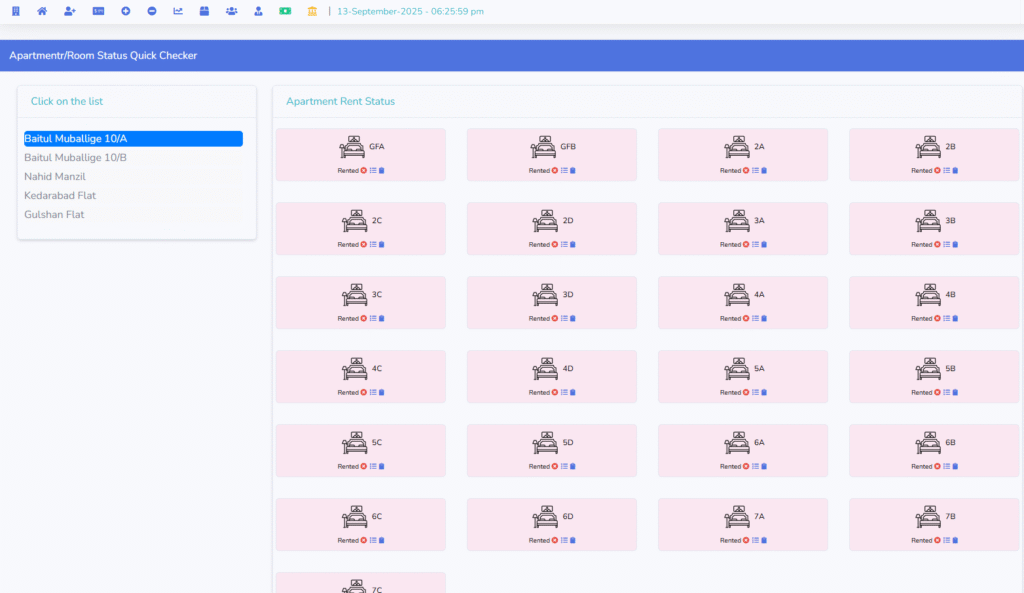
Automated Billing & Local Payments: Generates error-free bills and integrates with bKash/Nagad in Bangladesh and Dubai’s preferred bank gateways/credit cards, ensuring on-time collections.
Real-Time Expense Tracking: Every expense is logged, categorised, and a digital receipt is uploaded. Owners can log in to a portal and see exactly how every Taka or Dirham is spent.
Maintenance & Complaint Modules: Creates a historical record of all repairs, enabling proactive maintenance and preventing small issues from becoming budget-busting disasters.
Digital Staff & Payroll Management: Tracks attendance and manages payroll digitally, eliminating cash-handling errors and disputes.
Instant, Audit-Ready Reports: From balance sheets to outstanding dues, every financial report is generated with a single click, ensuring full transparency and compliance.
Final Thought: It’s More Than Savings—It’s Sustainability
Shifting to a digital system isn’t just about plugging financial leaks; it’s about building a sustainable, transparent, and professionally managed community. It protects the committee from allegations, empowers owners with information, and, most importantly, preserves and enhances the long-term value of the property—whether it’s in Mohammadpur or Mohammed Bin Rashid City.
The question isn’t whether you can afford to implement a digital system. It’s whether you can afford not to.